Studying in Nijmegen: Radboud University, HAN and student life
Published on 29 November 2026
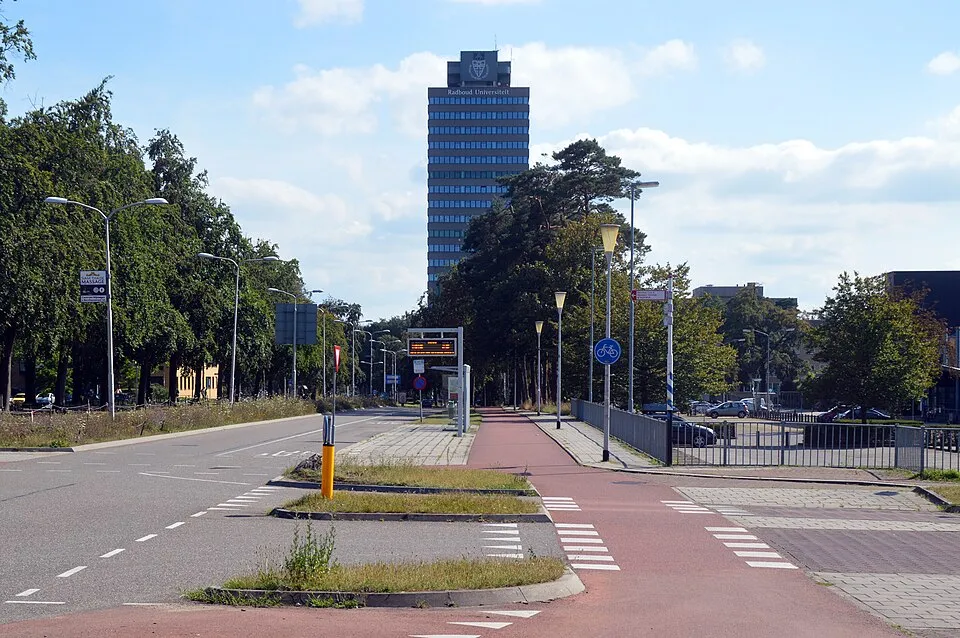
Nijmegen is one of the Netherlands' big student cities. Radboud University and HAN University of Applied Sciences together have almost 60,000 students, and many of them come from abroad. This page explains the two institutions, where the campus is, what is taught in English and what life in the city is like.
Radboud University
Radboud University opened on 17 October 1923 as the Catholic University of Nijmegen and took its current name in 2004, after Saint Radboud, a tenth-century bishop of Utrecht. Today it has more than 24,000 students, seven faculties and around a hundred bachelor's and master's programmes.
- Teaching in English: most bachelor's programmes are taught in Dutch, but a number of bachelor's programmes and dozens of master's programmes are taught entirely in English. Check the university's website for the current list.
- Rankings: Radboud is usually placed among the world's top 150 to 300 universities, depending on the ranking.
- Radboudumc: the university medical centre, one of the seven academic hospitals in the Netherlands, is on the same campus.
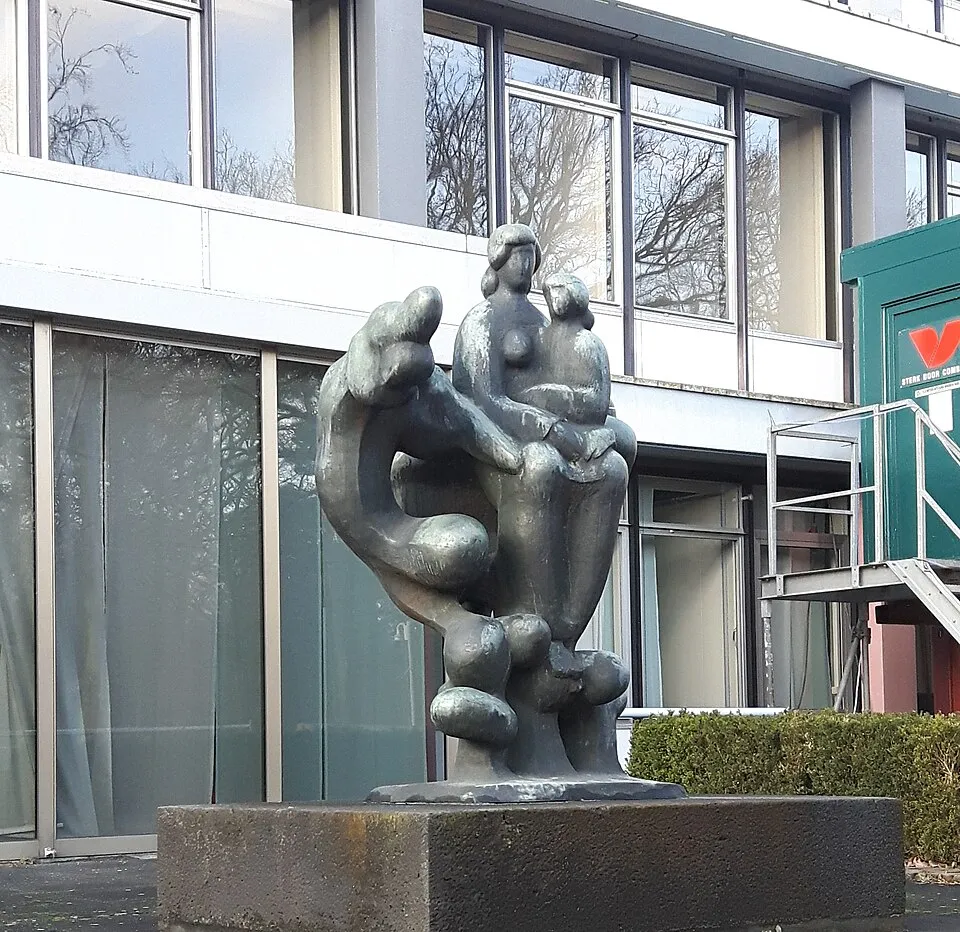
The campus at Heyendaal
Almost everything happens on one green campus in Heyendaal, in the south of the city. The tallest building is the Erasmus building, home of the Faculty of Arts; you can see its tower from far away. Other landmarks are the Huygens building (sciences), the Grotius building (law), the Spinoza building (social sciences) and the University Library, with hundreds of study places. The campus also has a large sports centre and a botanical garden, the Hortus.
The campus has its own railway station, Nijmegen Heyendaal, a few minutes by train from Nijmegen Centraal. By bike it is about ten minutes from the city centre.
HAN University of Applied Sciences
HAN (Hogeschool van Arnhem en Nijmegen) was founded in 1996 and has about 35,000 students, with campuses in Nijmegen and Arnhem. Its Nijmegen campus is right next to Radboud, near Heyendaal station along the Kapittelweg and Laan van Scheut. HAN offers practical, career-oriented degrees, including around ten bachelor's programmes taught in English.
Housing
Finding a room is the hardest part of moving to Nijmegen, as in every Dutch student city. Start looking as early as possible.
- Student complexes such as Hoogeveldt, the Proosdij, Sterrenbosch and Nestor are close to the campus.
- Neighbourhoods: many students live in Nijmegen-Oost, Hengstdal and Brakkenstein, all within cycling distance of Heyendaal.
- Beware of scams: never pay a deposit for a room you have not seen or for a landlord you cannot verify.
Student life
- Cycling: everybody cycles. Buy a second-hand bike and a good lock in your first week.
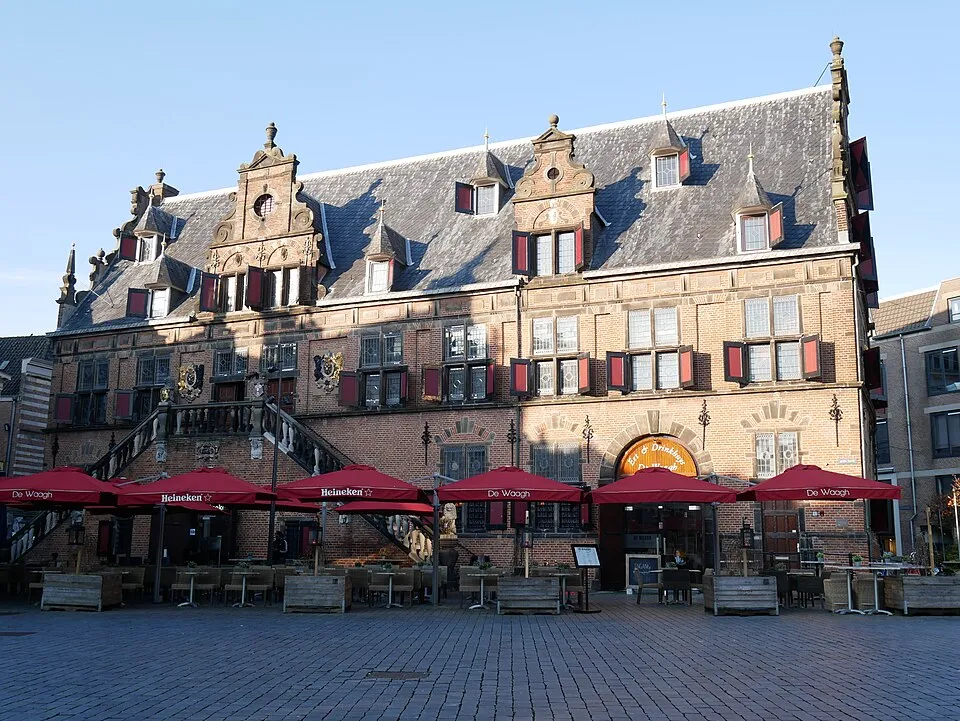
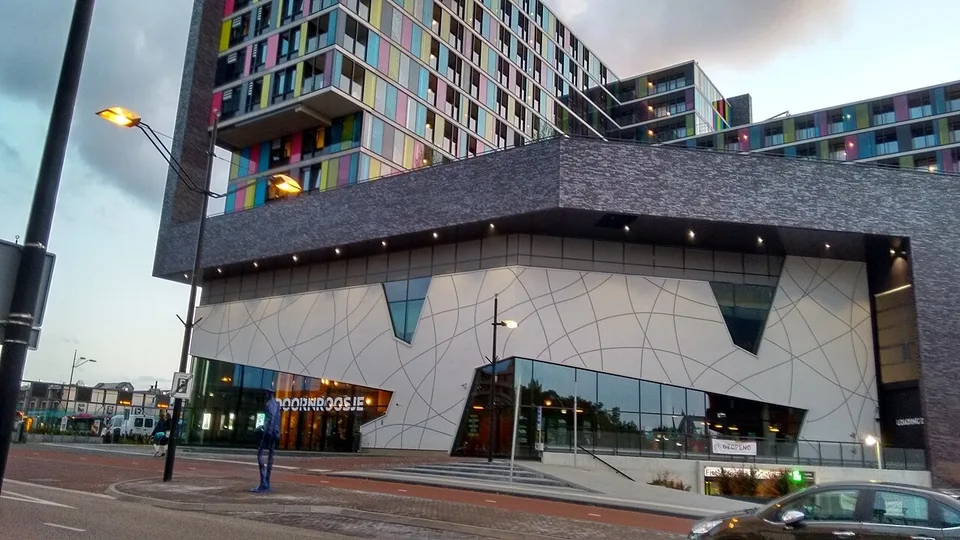
- Going out: the bars around the Grote Markt, the Waalkade and the Van Welderenstraat, and concerts at Doornroosje.
- Events: the Four Days Marches and the summer festivals in July are the highlight of the year.
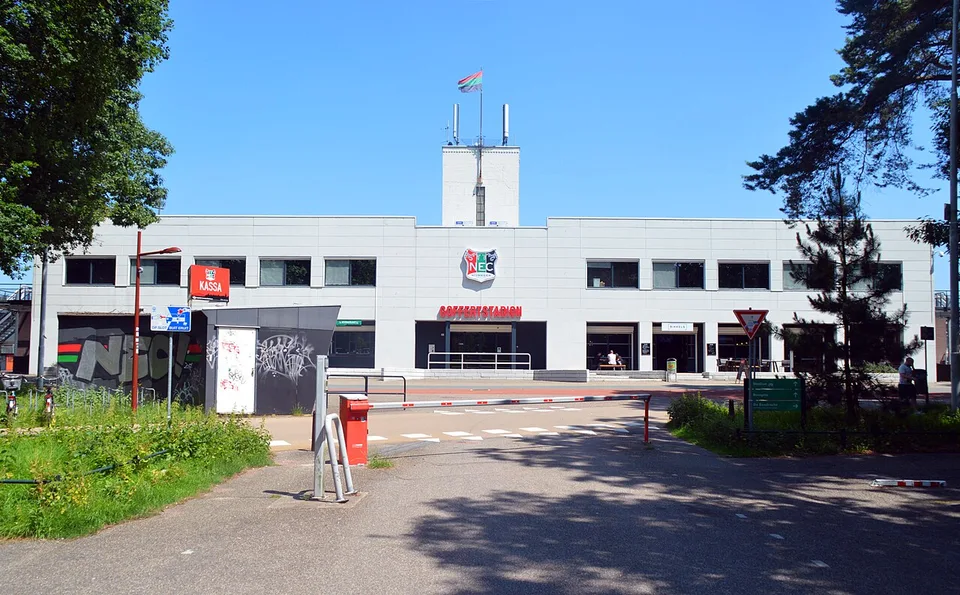
- Football: watch NEC at De Goffert.
Getting here
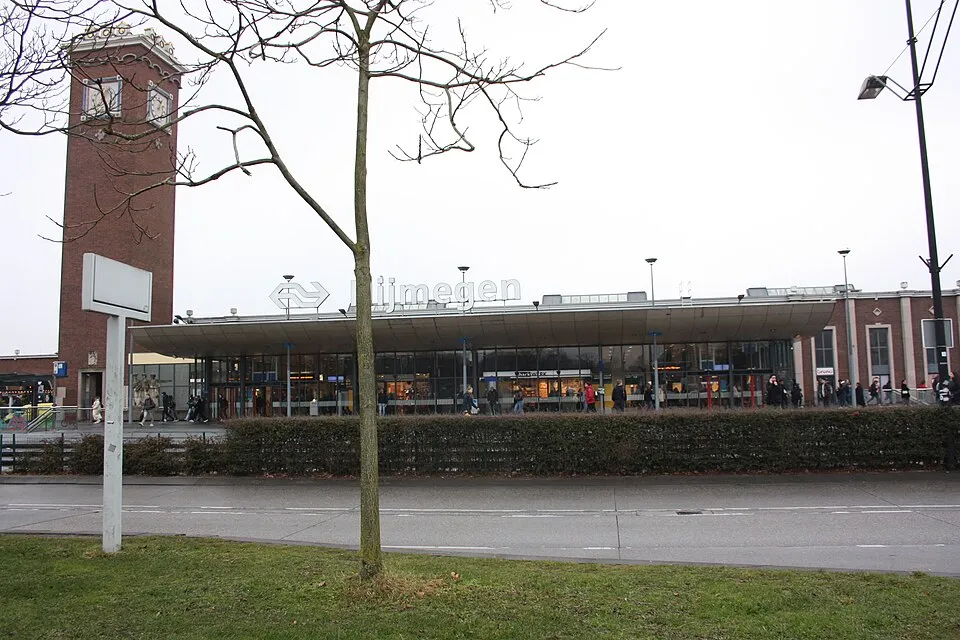
From Schiphol, take the train to Nijmegen; it takes about an hour and a half with a change in Utrecht or Arnhem, and some trains go direct. More options are on getting to Nijmegen.
Frequently asked questions
Is Radboud University a good university?
Radboud is usually ranked among the world's top 150 to 300 universities, depending on the ranking. It has more than 24,000 students.
Does Radboud University teach in English?
Most bachelor's programmes are in Dutch, but several bachelor's programmes and dozens of master's programmes are taught entirely in English.
Where is Radboud University?
On the Heyendaal campus in the south of Nijmegen, with its own railway station, Nijmegen Heyendaal.
What is the difference between Radboud and HAN?
Radboud is a research university. HAN is a university of applied sciences with practical, career-oriented degrees; it has campuses in Nijmegen and Arnhem.