Things to do in Nijmegen: a guide to the oldest city in the Netherlands
Published on 28 November 2026
Nijmegen is the oldest city in the Netherlands and one of its most relaxed. The Romans built a camp here on a hill above the river Waal more than 2,000 years ago, emperors held court on the same spot in the Middle Ages, and in 1944 the city's bridge was one of the prizes of Operation Market Garden. Today it is a student city of around 185,000 people, with a compact old town you can easily cover on foot and wooded hills a short bike ride away. This guide picks out the best things to do.
Start on the Grote Markt
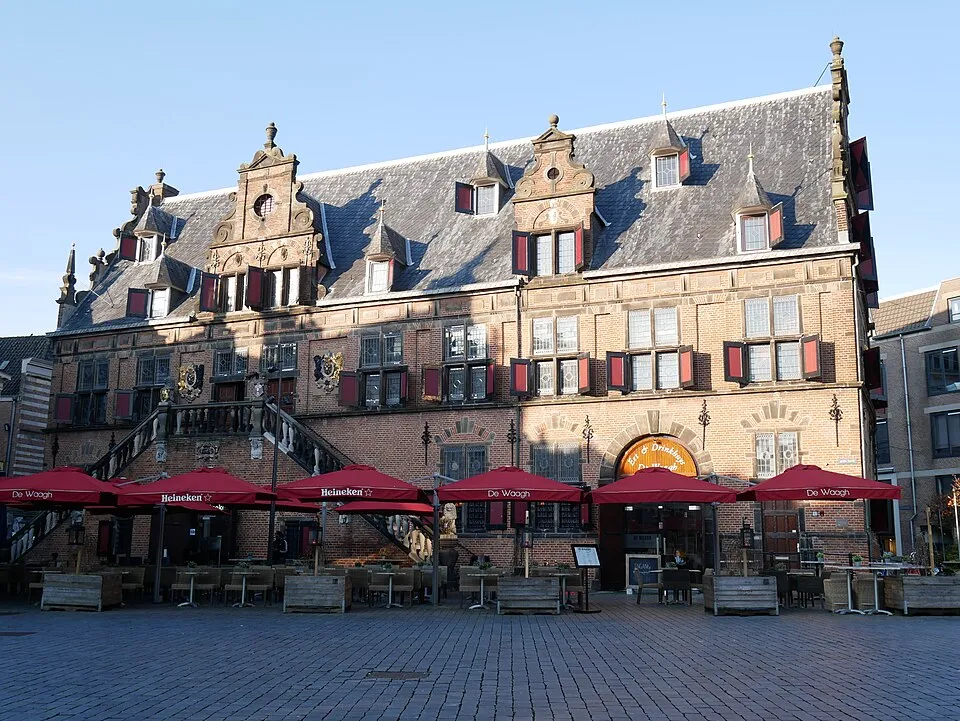
The Grote Markt is the heart of the old town. The Waag, the red-shuttered weigh house from 1612, now houses a restaurant, and the small statue of Mariken van Nieumeghen recalls the heroine of a medieval Dutch miracle play. A covered archway from 1545, the Kerkboog, leads from the square to the Stevenskerk. The market square fills with stalls on Monday and Saturday, and its terraces are busy in the evening all year round. For maps, tickets and souvenirs, go to the tourist information point in the Citystore at Grote Markt 17.
Climb the Stevenskerk tower
The Stevenskerk (St Stephen's Church) was consecrated in 1272 and dominates the skyline of the old town. Inside are a fine eighteenth-century organ and the tomb of Catherine of Bourbon. From 1 April to 31 October you can climb the tower for one of the best views in the east of the country: on Monday from 11:00 to 13:00, on Wednesday and Saturday from 14:00 to 16:00, and on the first Sunday of the month from 14:00 to 16:00. Tickets cost 5 euros for adults and 2 euros for children up to 12; you do not need to book.
Walk up to the Valkhof
The Valkhofpark stands on the hill where Charlemagne had a palace around 777 and where Frederick Barbarossa built a castle in the 1150s. The castle was demolished in 1796, but two parts survive: the Sint-Nicolaaskapel, a sixteen-sided chapel from the eleventh century and one of the oldest buildings in the Netherlands, and the ruined apse of the Barbarossa ruin. From the edge of the park, and from the Belvédère tower in the neighbouring Hunnerpark, you look out over the Waal and the Waalbrug.
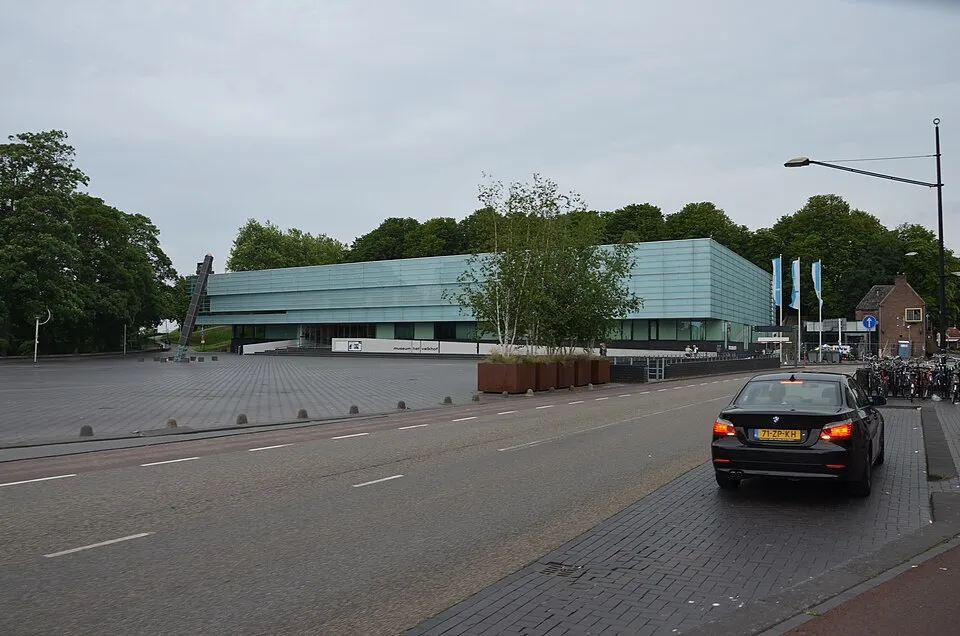
Across the road is the Valkhof Museum, which reopened in June 2026 after a long renovation. It tells the story of Roman Nijmegen with helmets, jewellery and everyday objects found in the city. See museums in Nijmegen for opening hours and prices, and the oldest city in the Netherlands for the history.
Follow the river
From the Valkhof, steps lead down to the Waalkade, the quay along the river. It is lined with cafés and restaurants and is the place to watch the barges go by. In summer, the Spiegelwaal on the other side of the river is a popular spot for a swim or a picnic: a side channel dug in the 2010s to give the river more room, with a city beach and a new city island, Veur-Lent. Swim only inside the marked swimming zones.
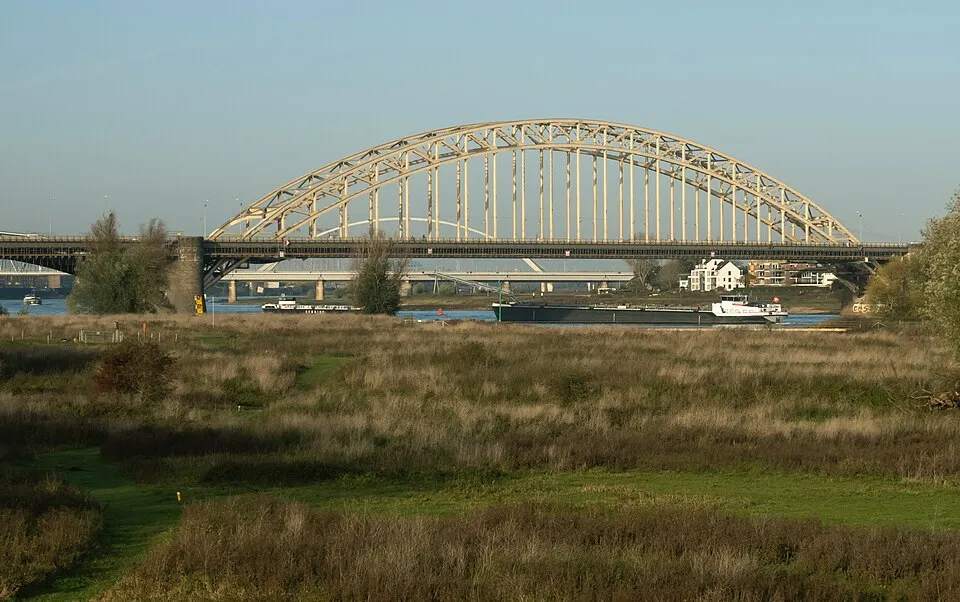
Walk or cycle across the Waalbrug (1936), the bridge American paratroopers fought for in September 1944, and come back over the Snelbinder, the cycle and footbridge attached to the railway bridge. Every evening at sunset, a short walk called the Sunset March crosses the newer De Oversteek bridge in memory of the soldiers who crossed the river in boats. Read more in the Nijmegen bridge and the Second World War.
Explore the old streets
The Lange Hezelstraat is said to be the oldest shopping street in the Netherlands, with gabled houses, independent shops and a handful of restaurants. The streets around the Ziekerstraat, Bloemerstraat and Van Welderenstraat are full of small boutiques, and the shops are open every Sunday. Our guide to shopping in Nijmegen has the opening hours.
At the southern edge of the old town, the Kronenburgerpark is a quiet English-style park around the remains of the city walls, with the Kruittoren (gunpowder tower) from 1425. In December it is the setting for the city's largest Christmas market.
Head for the hills
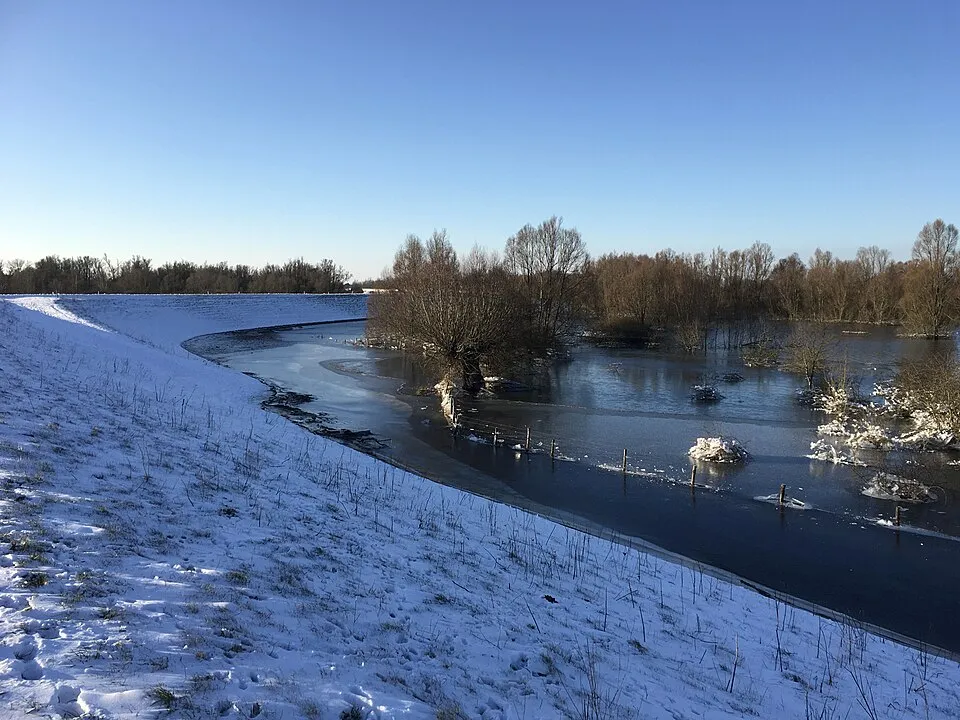
Most people think of the Netherlands as flat, but just east of Nijmegen the land rises into a wooded ridge. Take bus 8 to Berg en Dal and walk to the Duivelsberg, or cycle into the Ooijpolder, a landscape of river meadows, dykes and old villages. A little further are Groesbeek, with its vineyards and the Canadian war cemetery, and the heath of the Mookerheide. See day trips from Nijmegen.
Plan around the big events
Two moments in the year change the city completely. In the third week of July, more than 45,000 people walk the Four Days Marches, while the Vierdaagsefeesten turn the centre into a week-long street party. In December, the Christmas markets, an ice rink and a trail of light installations bring the old town to life. Book accommodation early for both.
Practical tips
- On foot: the station is 10 to 15 minutes' walk from the Grote Markt, and everything in the old town is walkable.
- By bike: hire an OV-fiets at the station or a bike from one of the rental shops. Guarded bike parks in the centre are free.
- By car: park in a car park in the centre or for free at P+R West. See getting to Nijmegen.
- Language: almost everyone in Nijmegen speaks English, and many people speak German too.
Frequently asked questions
Is Nijmegen worth visiting?
Yes. It is the oldest city in the Netherlands, with Roman and medieval history, a lively centre and green hills nearby, and it is less crowded than Amsterdam.
How many days do you need in Nijmegen?
One day is enough for the centre and the river. Stay a weekend if you want to add museums, a walk in the hills or a day trip to Groesbeek or Arnhem.
What are the top things to do in Nijmegen?
Climb the Stevenskerk tower, walk up to the Valkhof and its chapel, have a drink on the Grote Markt or the Waalkade, join the Sunset March at De Oversteek bridge and spend an afternoon in the hills around the Duivelsberg.
Is Nijmegen good for a rainy day?
Yes. The Valkhof Museum, De Bastei, the Stevenskerk and the cafés of the old town are all indoors, and the Vrijheidsmuseum in Groesbeek is a fifteen-minute drive.