Nijmegen, the oldest city in the Netherlands
Published on 28 November 2026
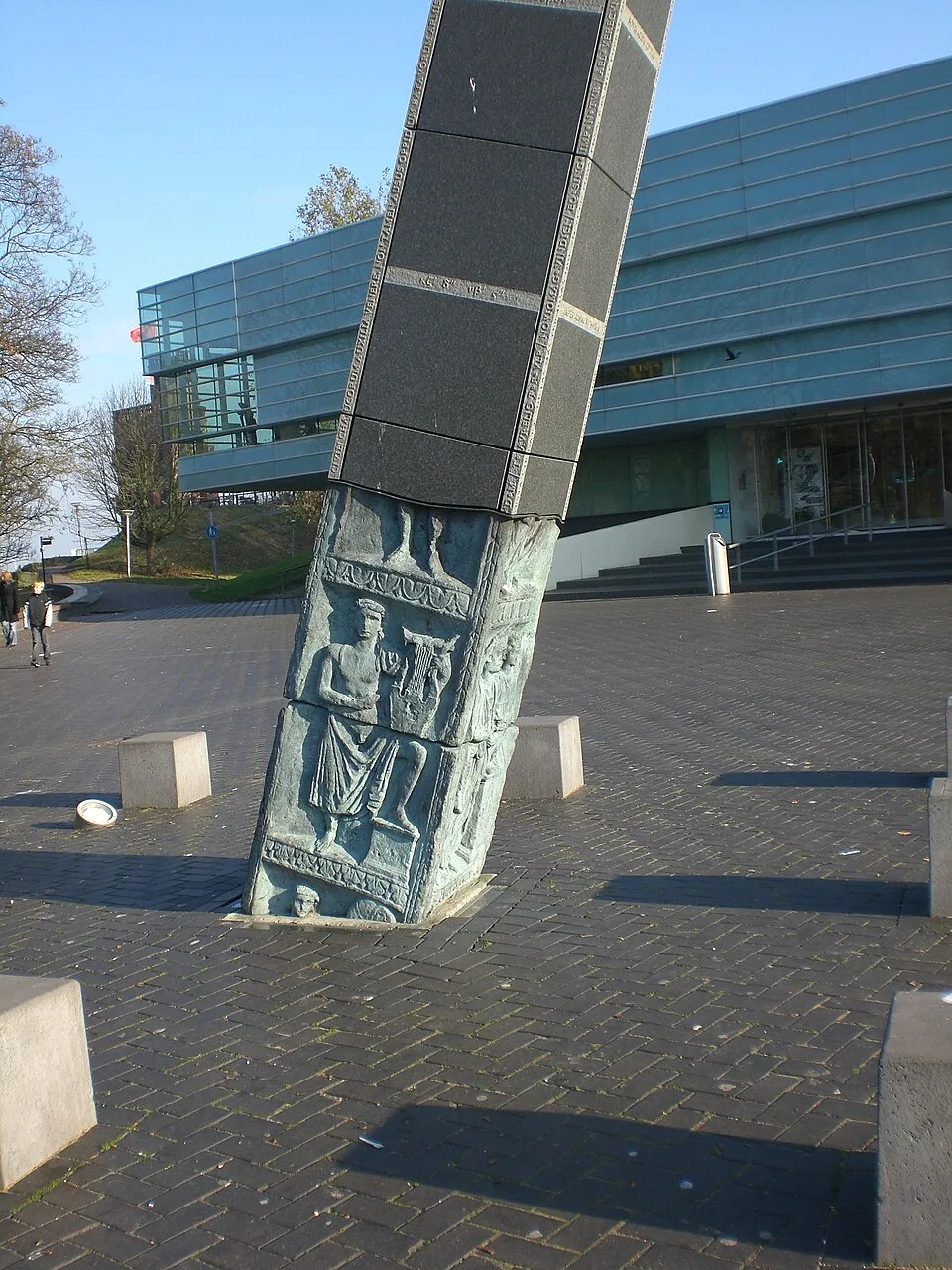
Nijmegen calls itself the oldest city in the Netherlands, and it has a good claim. The Romans built a large army camp here more than 2,000 years ago, and around the year 100 the Roman town beside the Waal was the first place in what is now the Netherlands to receive market rights from the emperor. Later, Charlemagne and Frederick Barbarossa held court on the Valkhof hill. This page explains the history and where you can still see it.
The Romans on the Waal
Around 16 or 15 BC, the Roman army built a camp on the Hunnerberg, the hill east of the present city centre, with a view over the river Waal. It was one of the first Roman bases on the northern frontier of the empire. A settlement of the local Batavian tribe, the Oppidum Batavorum, grew up nearby, on the spot of today's Valkhof. It was destroyed in AD 69 during the Batavian revolt against Rome.
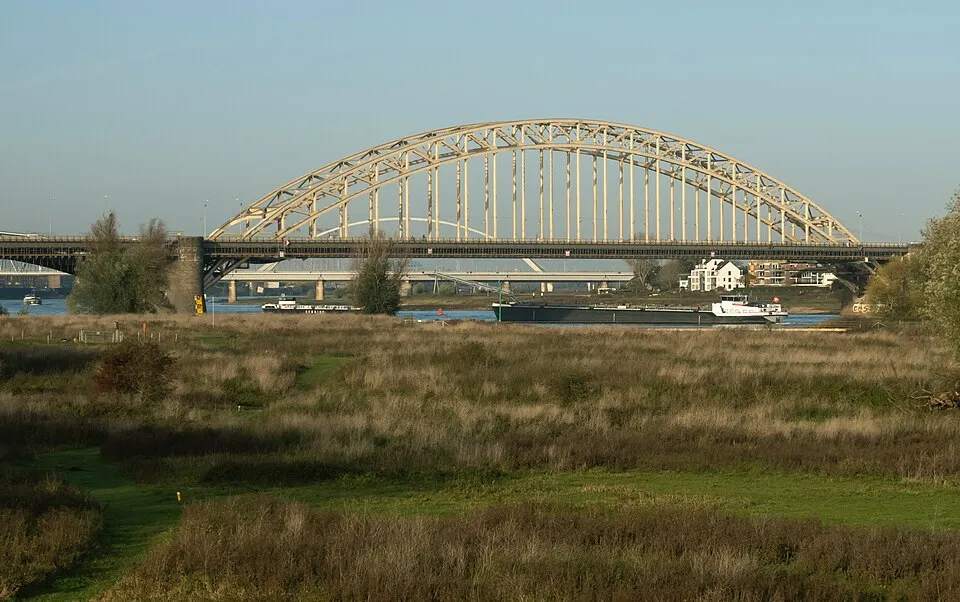
After the revolt the Romans built a new town a little further west. Around the year 100, Emperor Trajan gave it market rights, and it became known as Ulpia Noviomagus Batavorum: Noviomagus means "new market", and the modern name Nijmegen grew from it. That town title is the basis of Nijmegen's claim. In 2005, the city officially celebrated its 2,000th anniversary.
Who else claims the title?
Nijmegen is not the only candidate. Maastricht also has Roman roots and calls itself one of the oldest cities in the Netherlands, while Heerlen (the Roman Coriovallum) and Voorburg (Forum Hadriani, which also received market rights from the Romans) have their own claims. Which city is "the oldest" depends on how you count: the first settlement, the first town title or the first medieval city rights. Nijmegen points to its Roman town title, the earliest in the country.
Charlemagne and Barbarossa
After the Romans left, the Valkhof hill kept its importance. Around 777, Charlemagne had a palace built here, one of several where he stayed while travelling his empire. In the 1150s, Emperor Frederick Barbarossa replaced it with a large castle, the Valkhof. The castle was demolished in 1796, but two parts survive in the Valkhofpark: the eleventh-century Sint-Nicolaaskapel, one of the oldest buildings in the Netherlands, and the remains of the castle chapel, known as the Barbarossa ruin.
A medieval trading town
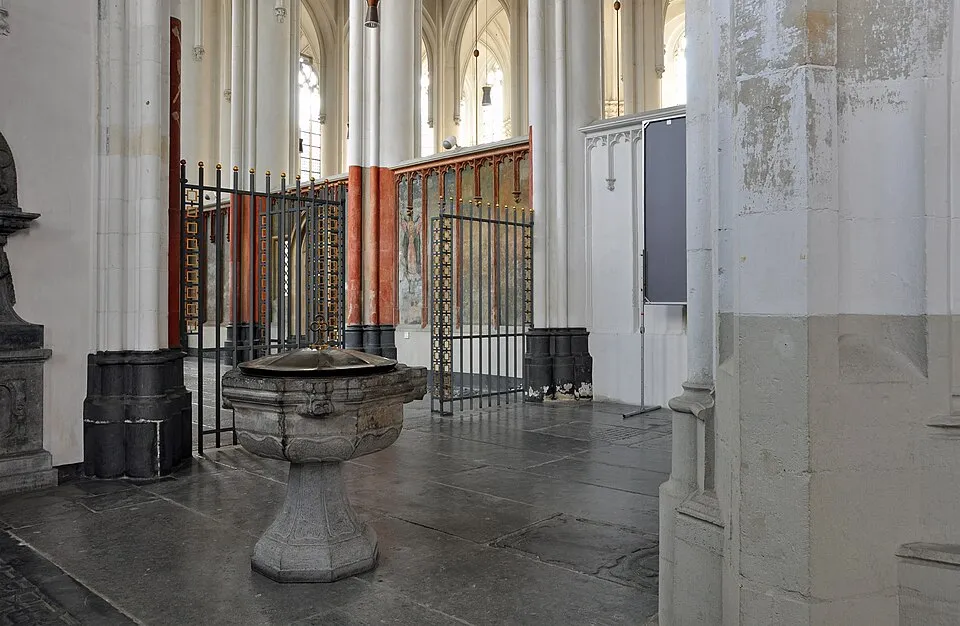
Nijmegen received city rights in 1230 and grew rich from trade on the river. In 1402 it joined the Hanseatic League, the network of trading towns around the North Sea and the Baltic. The Stevenskerk, consecrated in 1272, the Kruittoren (gunpowder tower) from 1425 and the merchants' houses in the Lange Hezelstraat, said to be the oldest shopping street in the country, date from this period.
The Peace of Nijmegen
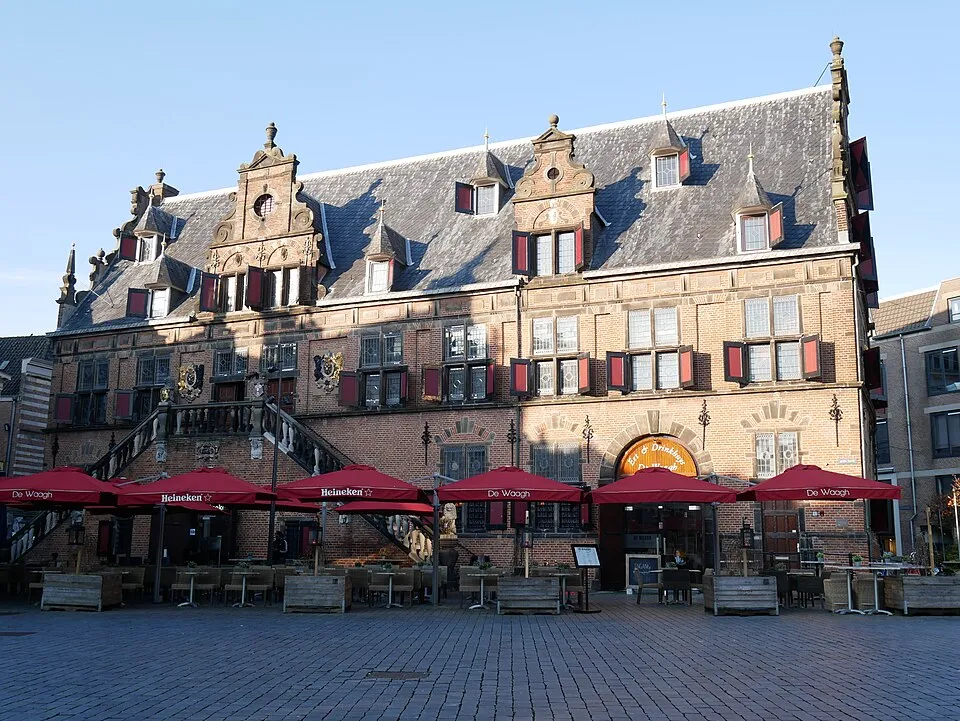
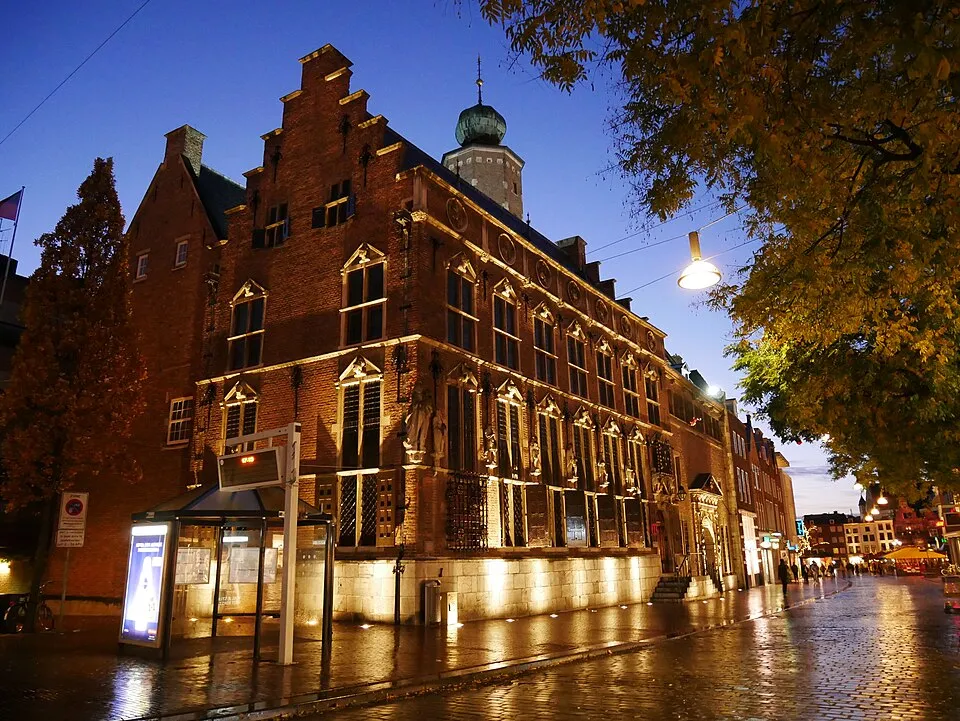
In 1678 and 1679, diplomats from across Europe met in Nijmegen to end the Franco-Dutch War. The treaties, known as the Peace of Nijmegen, were negotiated and signed partly in the city hall on the Burchtstraat, which dates from 1555. The city hall was badly damaged in 1944 and rebuilt after the war.
Where to see the history
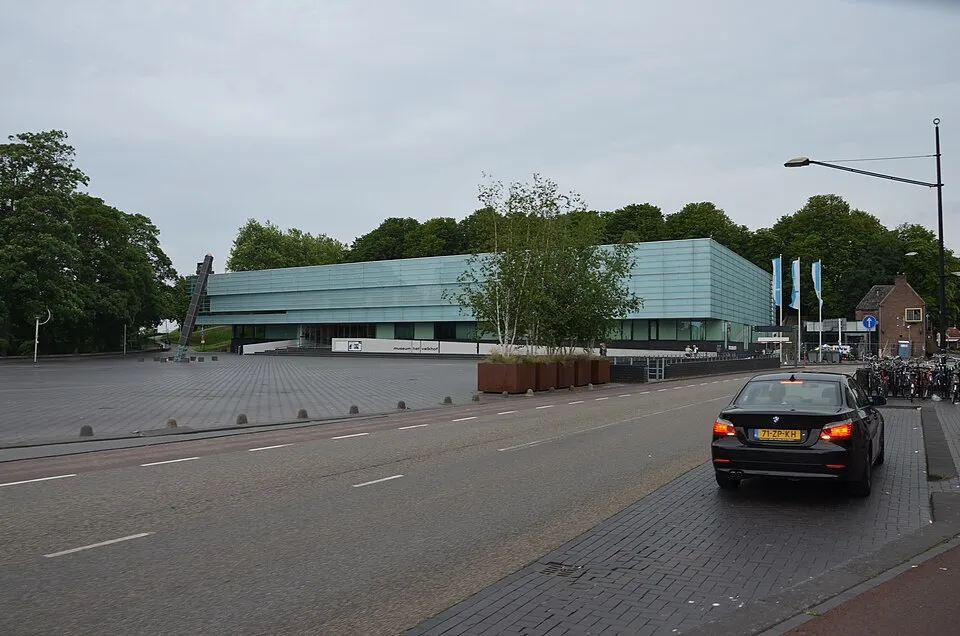
- Valkhof Museum: the main collection of Roman finds from Nijmegen. See museums in Nijmegen.
- Valkhofpark: the Sint-Nicolaaskapel and the Barbarossa ruin, with a view over the Waal.
- De Bastei: remains of the Roman and medieval city walls inside the museum on the Waalkade.
- Kelfkensbos: the Noviomagus monument in front of the Valkhof Museum. Elsewhere in the city, markings in the pavement and signs show where Roman remains were found.
- Stevenskerk and the Lange Hezelstraat: the medieval town, best explored on foot. Read things to do in Nijmegen for a walk.
Frequently asked questions
What is the oldest city in the Netherlands?
Nijmegen. Around the year 100 the Roman town here received market rights from Emperor Trajan, making it the first place in the Netherlands with a Roman town title. Maastricht, Heerlen and Voorburg also claim the title.
How old is Nijmegen?
More than 2,000 years. The Romans built an army camp here around 15 BC, and Nijmegen officially celebrated its 2,000th anniversary in 2005.
What was Nijmegen called in Roman times?
Ulpia Noviomagus Batavorum. Noviomagus means new market, and the name Nijmegen grew out of it.
What is the oldest street in Nijmegen?
The Lange Hezelstraat is said to be the oldest shopping street in the Netherlands.