The Nijmegen bridge and the Second World War
Published on 28 November 2026
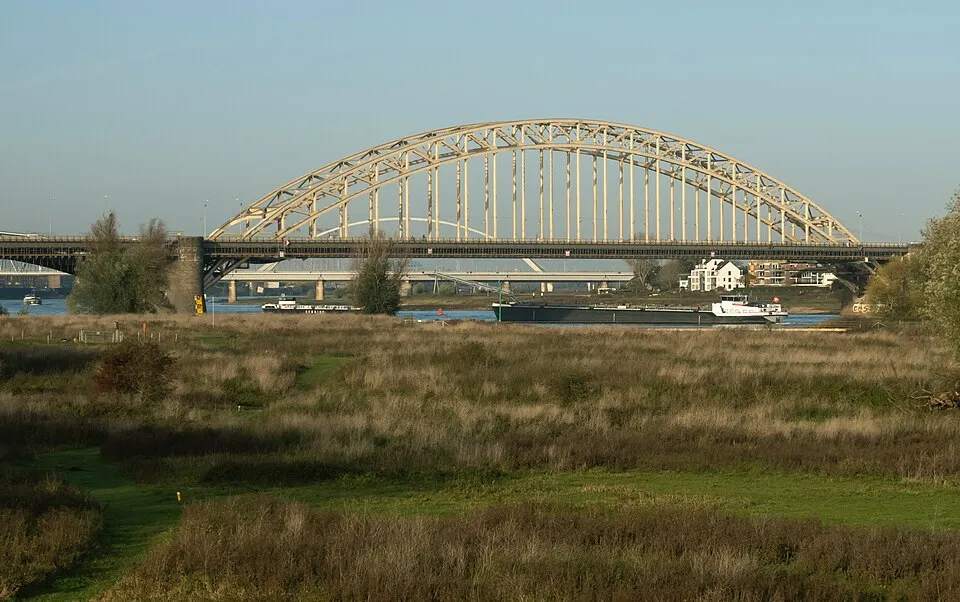
The great steel arch of the Waalbrug is the symbol of Nijmegen. When it opened in 1936 it was the longest arch bridge in Europe, and eight years later it became one of the key objectives of Operation Market Garden, the Allied attempt to cross the great rivers of the Netherlands in September 1944. This page tells the story of the bridge and the battle for Nijmegen, and shows where you can still see it today.
A bridge across the Waal
Until the 1930s, anyone who wanted to cross the Waal at Nijmegen had to take a ferry or the railway bridge. The Waalbrug opened on 16 June 1936: 604 metres long, with a main span of 244 metres. Less than four years later, on 10 May 1940, Dutch soldiers blew up part of the bridge as the German army invaded. The Germans repaired it and used it throughout the occupation.
The bombing of 22 February 1944
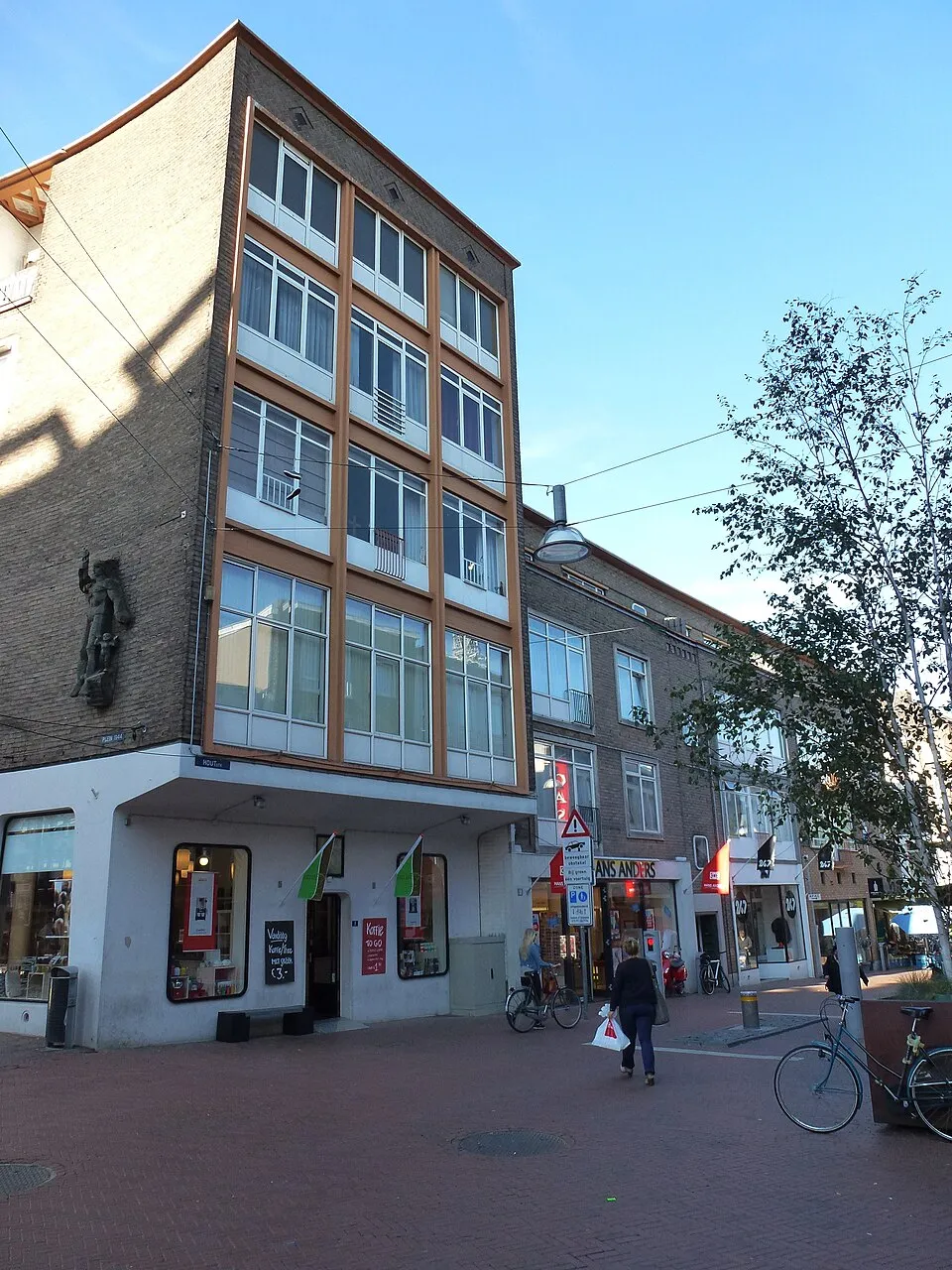
On 22 February 1944, American bombers that had failed to find their target in Germany dropped their bombs on the centre of Nijmegen by mistake. Around 800 people died and a large part of the city centre around the station was destroyed. The square built on the ruins after the war was named Plein 1944 in December 1950. Today it is a busy shopping square.
Operation Market Garden
On 17 September 1944, thousands of Allied paratroopers landed in the east of the Netherlands. Their task was to capture a series of bridges, so that British tanks could drive north from Belgium over a single road and cross the Rhine at Arnhem. The American 82nd Airborne Division landed on the heights around Groesbeek, south-east of Nijmegen, and was given the bridges over the Maas and the Waal.
The Germans held the Waalbrug and the railway bridge strongly, with positions in the Valkhof and the Hunnerpark at the southern end. For several days, American paratroopers and British tanks of the Guards Armoured Division fought their way through the city towards the bridges, while much of the old town burned.
The Waal crossing of 20 September 1944
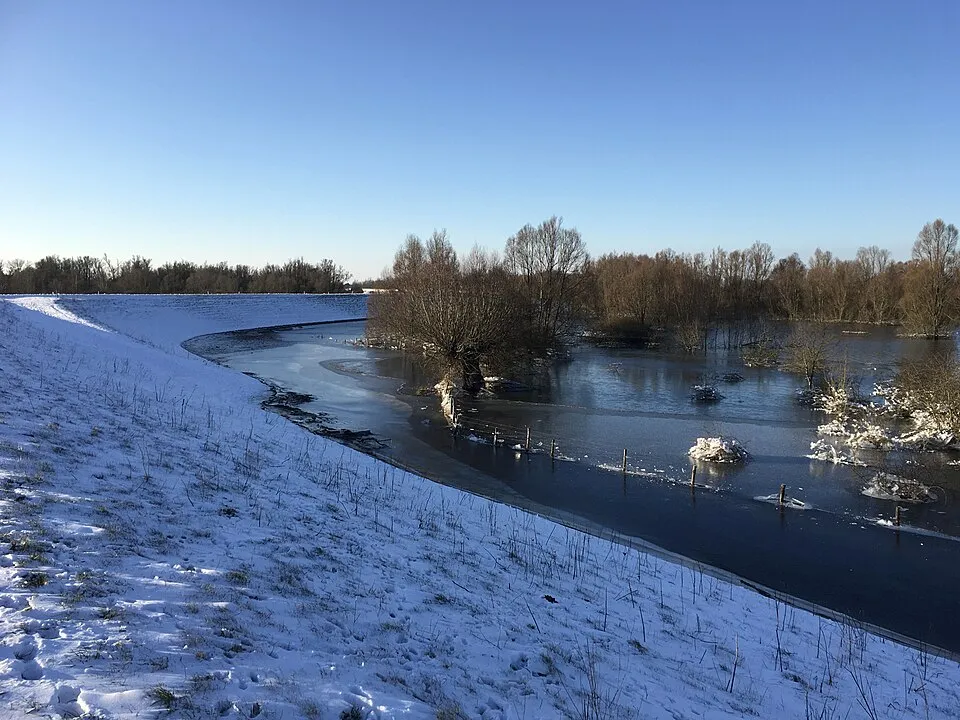
To take the bridge from both sides, soldiers of the 504th Parachute Infantry Regiment crossed the Waal in broad daylight on the afternoon of 20 September, in flimsy canvas boats, rowing partly with their rifle butts, under heavy fire. About half of the boats were lost. Those who reached the north bank stormed the German positions and advanced to the northern end of the bridges. That evening, British tanks drove across the Waalbrug. The bridge had been prepared for demolition but did not blow up, and it was captured almost undamaged.
The advance stopped a few kilometres further north. The British paratroopers at Arnhem could not be relieved, and Nijmegen became a front-line city until the spring of 1945, regularly shelled by the Germans. The story of the whole operation was told in the book and film A Bridge Too Far; the bridge of the title is the Rhine bridge in Arnhem.
The Sunset March
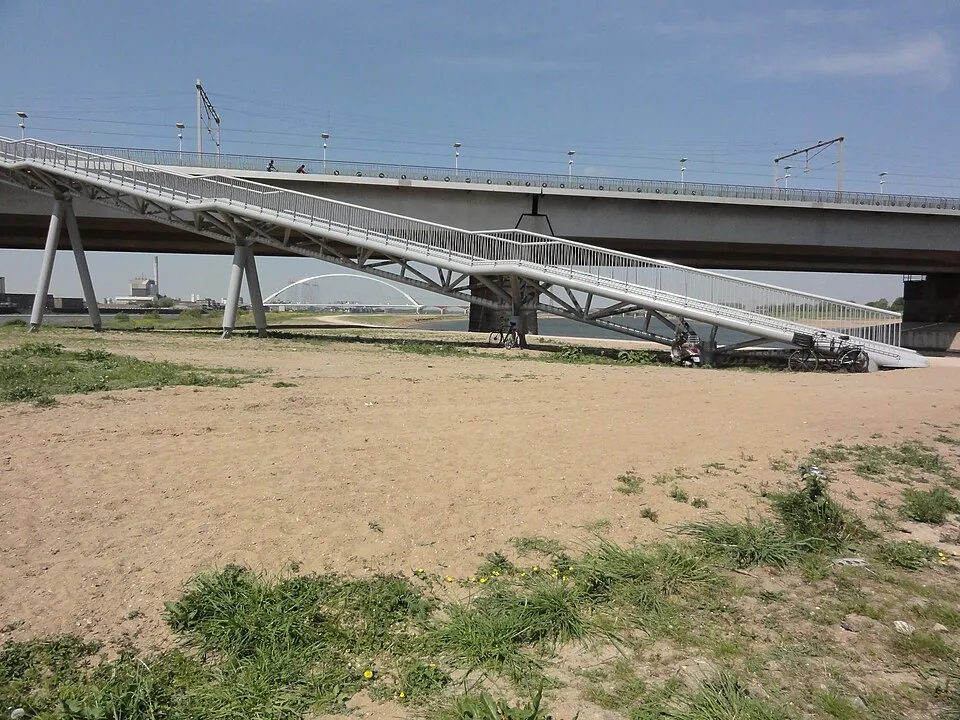
Every evening, at the moment of sunset, a short walk sets off across De Oversteek (The Crossing), the road bridge opened in 2013 just west of the railway bridge, close to the spot where the boats crossed. A veteran or volunteer leads the walk from the Nijmegen side to the north bank. With each step the walkers pass one of the 48 pairs of lights on the bridge, which light up one by one, one pair for each soldier who died in the crossing. At the last pair, the walk ends at the monument on the dyke in Lent. It is free and you do not need to register: just come to the south end of the bridge a few minutes before sunset.
Where to see the history
- The Waalbrug itself: walk across it from the Hunnerpark. On the bridge and in the park are plaques for the soldiers who fought here.
- The Hunnerpark and Valkhof: the park at the southern end of the bridge, where the German positions were. In the Hunnerpark is a German anti-tank gun, and from the Valkhof you have the best view of the bridge.
- Infocentrum WO2 Nijmegen, Ridderstraat 27: a small information centre about Nijmegen in the war.
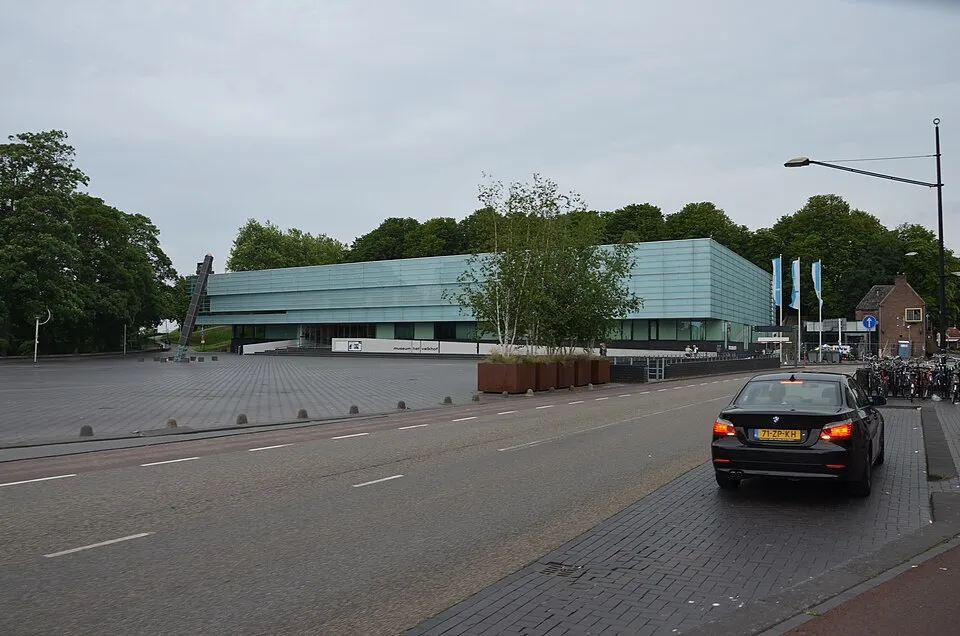
- The Vrijheidsmuseum (Freedom Museum) in Groesbeek: the main museum about Market Garden and the liberation. See museums in Nijmegen.
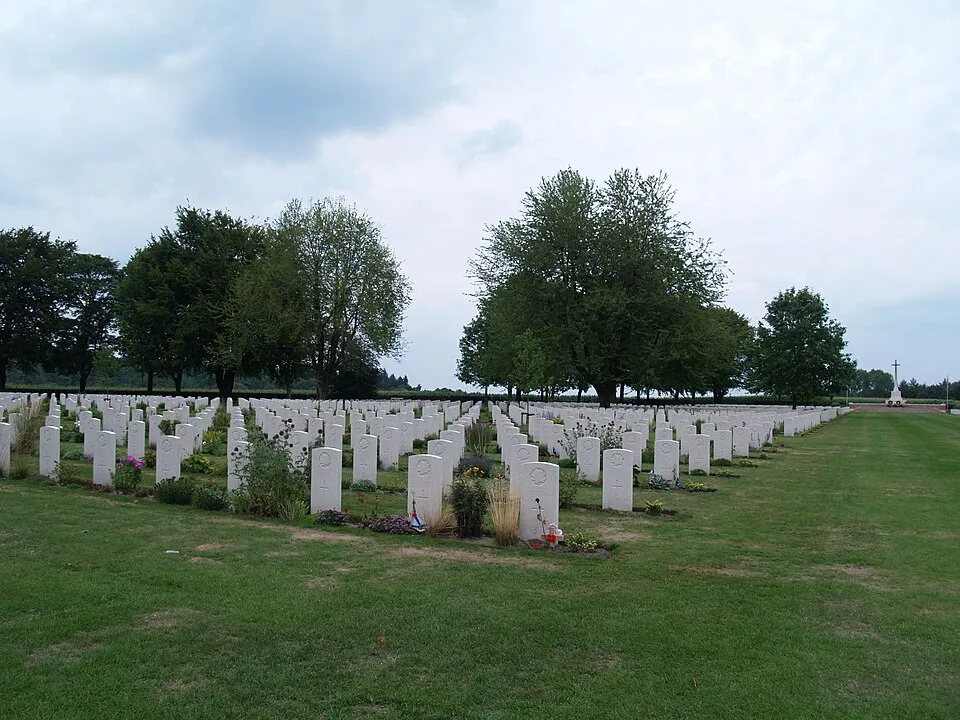
- The war cemeteries around Nijmegen, at Groesbeek, Jonkerbos and the Reichswald. See war cemeteries near Nijmegen.
Remembrance in May and September
On 4 May, the Netherlands remembers its war dead. In Nijmegen the ceremony is on the Keizer Traianusplein, at the foot of the Waalbrug, with two minutes of silence at 20:00. On 5 May the country celebrates Liberation Day. In September, events in and around Nijmegen commemorate Market Garden and the liberation of the city.
Frequently asked questions
What happened at the Nijmegen bridge in 1944?
During Operation Market Garden, American paratroopers of the 82nd Airborne Division crossed the Waal in canvas boats on 20 September 1944 to attack the bridge from the north, while British tanks and American troops attacked from the city. The Waalbrug was captured almost undamaged that evening.
Is the Nijmegen bridge the bridge from A Bridge Too Far?
The film tells the story of the whole of Market Garden. The bridge too far itself is the Rhine bridge in Arnhem, 15 km to the north. The Waal crossing and the capture of the Nijmegen bridge are an important part of the book and the film.
What is the Sunset March?
A short walk across De Oversteek bridge in Nijmegen every evening at sunset, led by a veteran or volunteer, in honour of the soldiers who crossed the Waal in 1944. It is free and you do not need to register.
Can you walk across the Waalbrug?
Yes. There are footpaths and cycle paths on both sides. From the Valkhof you walk up through the Hunnerpark onto the bridge.