Kleve, Germany: a day trip from Nijmegen
Published on 29 November 2026
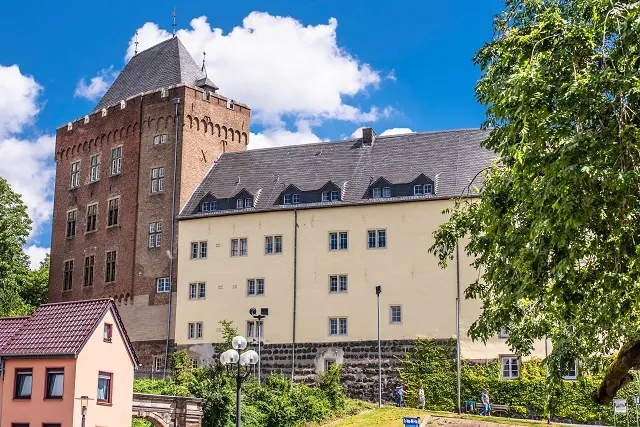
Just across the border, half an hour from Nijmegen, lies Kleve (in English traditionally Cleves), a German town on a hill above the Lower Rhine. It has a castle with a swan legend, Baroque gardens, a museum of modern art and a busy shopping street. It makes an easy day trip from Nijmegen, and many people in Nijmegen go there for shopping, a walk or the Christmas market.
The Schwanenburg
The Schwanenburg (Swan Castle) stands on a steep hill above the old town. It was the seat of the Counts and later the Dukes of Cleves. Its tower, the Schwanenturm, is 55 metres high and is linked to the legend of the Knight of the Swan, the story Richard Wagner used for his opera Lohengrin. Most of the castle was rebuilt after the Second World War. Today it houses a court, but the tower and the courtyard can be visited.
English visitors often know one name from Kleve: Anne of Cleves (1515 to 1557), the fourth wife of Henry VIII, was a daughter of the Duke of Cleves.
The Baroque gardens and Museum Kurhaus
In the 17th century the governor Johann Moritz of Nassau-Siegen had large gardens laid out around Kleve. The best-known part is the Forstgarten, with an amphitheatre on the slope that gives a long view over the landscape. In the 18th and 19th centuries Kleve was a spa town, "Bad Cleve". The old spa building, the Kurhaus (1845), is now Museum Kurhaus Kleve, a museum of modern and contemporary art. The artist Joseph Beuys grew up in Kleve. A second museum, Haus Koekkoek, is the former home of the Dutch landscape painter B.C. Koekkoek.
Shopping and the old town
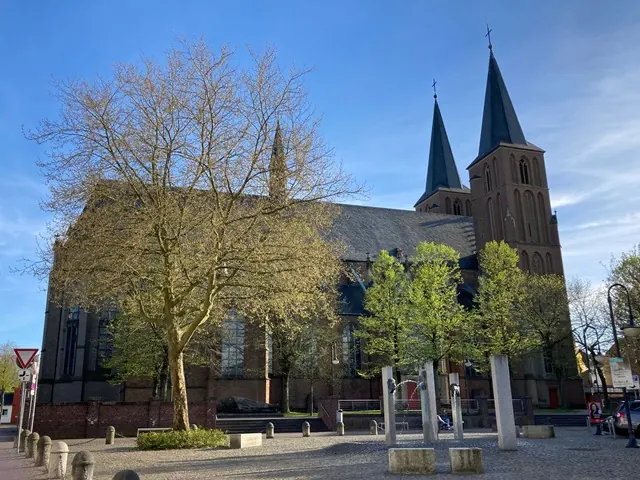
The main shopping street is the Große Straße, a pedestrian street with the Lohengrin fountain. Nearby is the Stiftskirche, the main Catholic church, destroyed in the war and rebuilt by 1969. Kleve was bombed heavily in 1944 and 1945 and more than 90 per cent of its buildings were badly damaged, so much of what you see is post-war.
Note: shops in Germany are closed on Sundays, apart from a few special shopping Sundays a year. Nijmegen is the other way round: shops there open every Sunday afternoon. See shopping in Nijmegen.
Christmas market
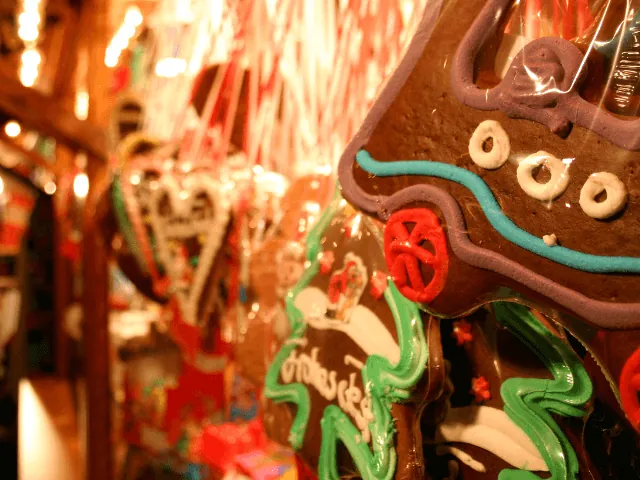
The Klever Weihnachtsmarkt runs from 27 November to 6 December 2026, on weekdays from 14:00 to 21:00 and at weekends from 12:00 to 21:00. Combine it with the Christmas events in Nijmegen itself: see Christmas markets in Nijmegen.
On the way: the Reichswald
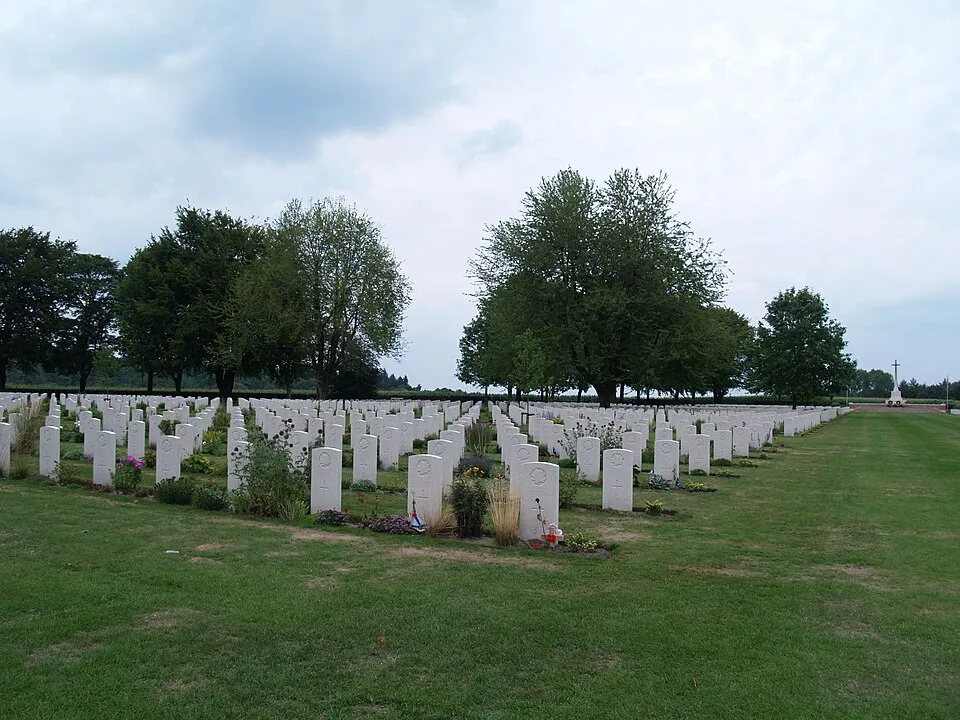
The road and the bus from Nijmegen to Kleve pass the Reichswald, a large forest just across the border. In it lies the Reichswald Forest War Cemetery, with 7,654 graves the largest Commonwealth war cemetery in Germany. See war cemeteries near Nijmegen.
Getting there from Nijmegen
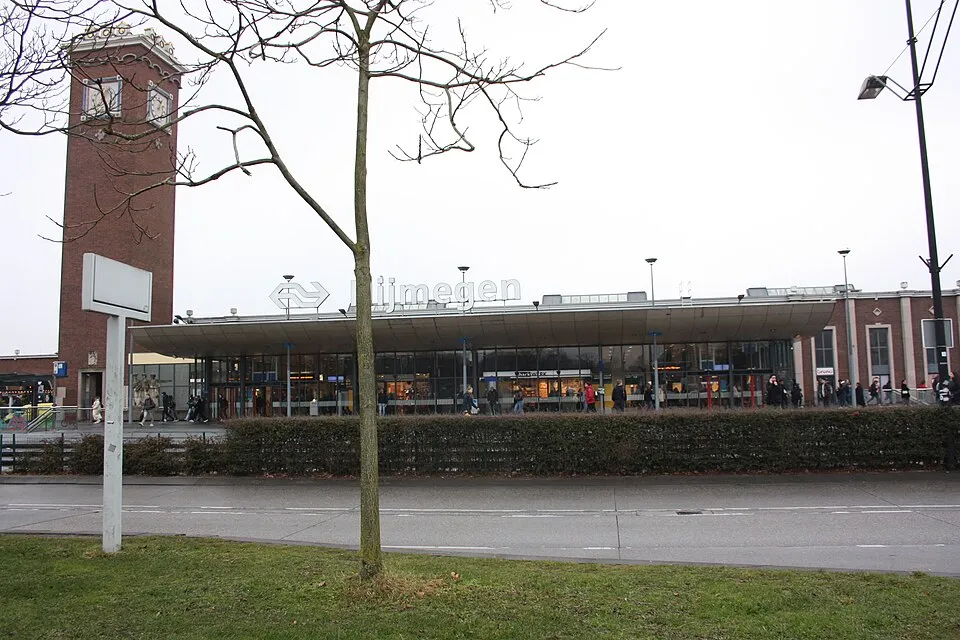
- By bus: bus 58 runs from the bus station at Nijmegen station to Kleve in about 45 minutes. Pay by tapping in and out with a contactless bank card.
- By car: about 25 kilometres, half an hour, via Groesbeek or Kranenburg.
- By bike: about 25 kilometres, through Groesbeek or Kranenburg and past the Reichswald.
More ideas for a day out from Nijmegen: day trips from Nijmegen.
Frequently asked questions
How do I get from Nijmegen to Kleve?
Take bus 58 from the bus station at Nijmegen station; the ride takes about 45 minutes. By car it is about 25 kilometres, half an hour.
Are shops in Kleve open on Sunday?
No. Shops in Germany are closed on Sundays, except on a few special shopping Sundays a year. In Nijmegen the shops are open every Sunday afternoon.
What is Kleve known for?
The Schwanenburg castle and the legend of the Knight of the Swan (Lohengrin), Anne of Cleves, the Baroque gardens and Museum Kurhaus Kleve.
When is the Christmas market in Kleve?
In 2026 from 27 November to 6 December.