Groesbeek: the Freedom Museum, the Canadian War Cemetery and the wine hills
Published on 29 November 2026
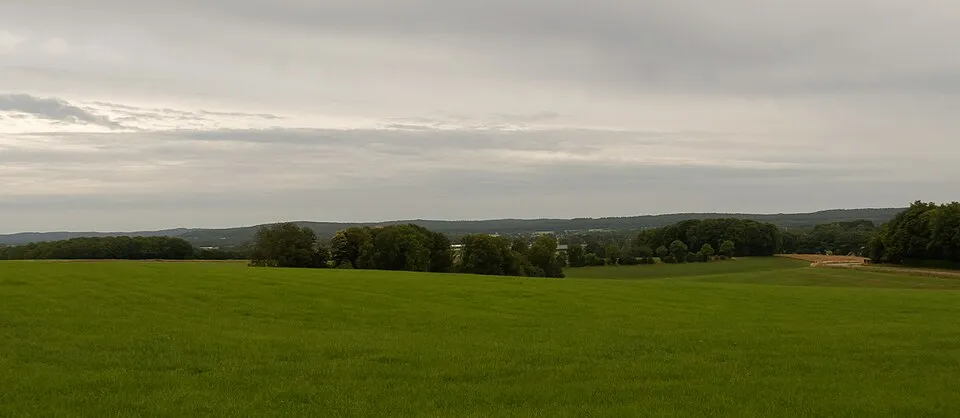
Groesbeek is a village in the hills ten kilometres south-east of Nijmegen, right on the German border. For many visitors from Canada, the UK and the US it is the heart of the Second World War story of this region: American paratroopers landed here in September 1944, and the Canadian War Cemetery and the Freedom Museum are just outside the village. Groesbeek is also a wine village, with vineyards on its slopes and walking routes through the hills.
Market Garden and the Rhineland battles
On 17 September 1944, the first day of Operation Market Garden, thousands of paratroopers of the US 82nd Airborne Division landed in the fields around Groesbeek. Their task was to hold the high ground and take the bridges at Nijmegen; read more on Nijmegen bridge in WW2. In February 1945, the Rhineland offensive into Germany began from these hills, with heavy fighting in the Reichswald forest towards Kleve.
The Freedom Museum (Vrijheidsmuseum)
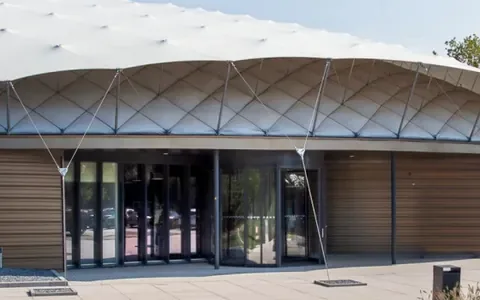
The Vrijheidsmuseum at Wylerbaan 4 tells the story of the war in the Netherlands and Germany, from occupation and liberation to rebuilding, with a strong focus on this border region. It opened in 1987 as the National Liberation Museum; the current building, with a roof that recalls a parachute, opened in 2023.
- Opening hours: Monday to Saturday 10:00 to 17:00, Sundays and public holidays 12:00 to 17:00. Closed on 1 January and 25 December.
- Tickets: adults €18.50, children aged 7 to 17 €9, under 7 free. Card payments only.
- Tours: the museum offers guided drives to the battlefields around Groesbeek and guided visits to the Canadian War Cemetery. Book in advance.
Groesbeek Canadian War Cemetery
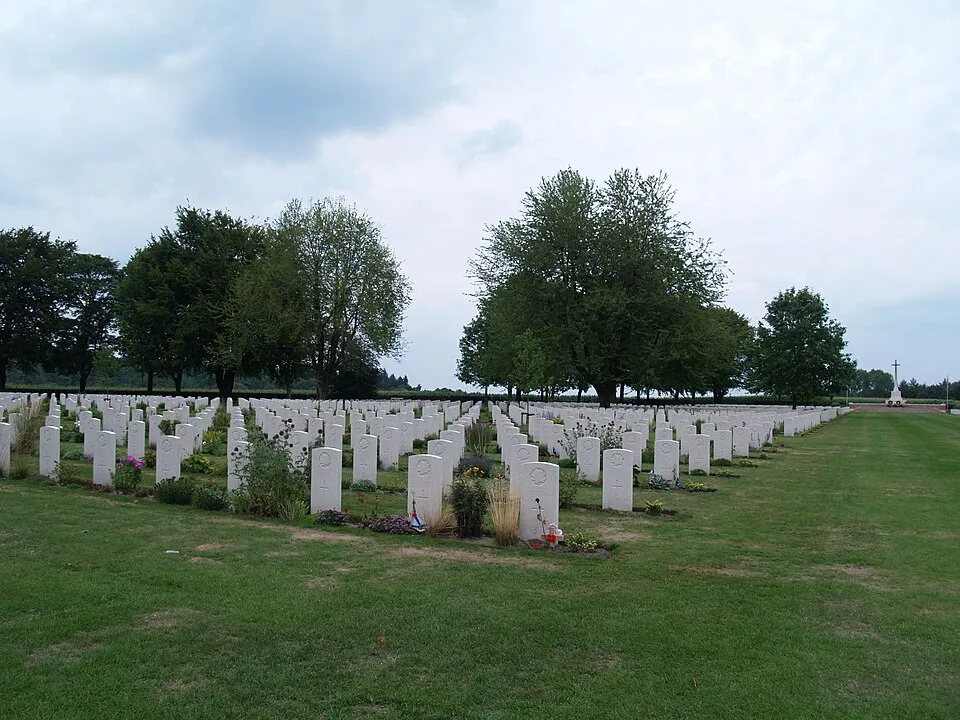
On the Zevenheuvelenweg, between Berg en Dal and Groesbeek, lies the Groesbeek Canadian War Cemetery, with about 2,600 Commonwealth graves, most of them Canadian soldiers who died in the Rhineland battles of early 1945. The Groesbeek Memorial lists more than a thousand soldiers with no known grave. The cemetery is open every day and free to visit. See war cemeteries near Nijmegen for the other cemeteries nearby.
Wine and hills
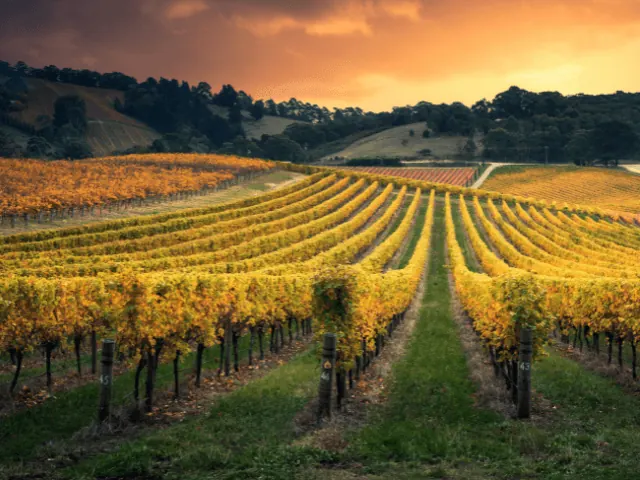
Groesbeek likes to call itself the wine capital of the Netherlands. Several vineyards on the sunny slopes offer tours and tastings. The landscape is surprisingly hilly for the Netherlands, because Groesbeek sits on a ridge pushed up by the ice in the second-to-last ice age. On the third day of the Four Days Marches in July, tens of thousands of walkers climb the Zevenheuvelenweg, the "road of seven hills".
For families, Fietsen op het Spoor runs rail bikes on the old railway line from Groesbeek to Kranenburg in Germany.
Getting there
- By bus: city bus 5 from Nijmegen station towards Groesbeek. For the Freedom Museum, get off at De Oude Molen and walk about five minutes.
- By bike: about 45 minutes from Nijmegen, uphill. An e-bike helps.
- By car: about fifteen minutes from Nijmegen, with free parking at the museum.
More ideas for the area are on day trips from Nijmegen.
Frequently asked questions
How far is Groesbeek from Nijmegen?
About ten kilometres, fifteen minutes by car or bus 5 from Nijmegen station.
What happened in Groesbeek in 1944?
On 17 September 1944, the first day of Operation Market Garden, paratroopers of the US 82nd Airborne Division landed in the fields around Groesbeek.
How many soldiers are buried at the Groesbeek Canadian War Cemetery?
About 2,600 Commonwealth soldiers, most of them Canadians. The Groesbeek Memorial lists more than a thousand soldiers with no known grave.
What does the Freedom Museum in Groesbeek cost?
Adults pay €18.50, children aged 7 to 17 pay €9 and children under 7 go free. The museum only accepts card payments.